
Enterprising… That’s one word I see used to describe Zimbabweans, that we are resourceful and resilient. A polite way of saying: give a Zimbabwean a problem and, while others would complain about it, someone somewhere will have figured out how to make a dollar out of it.
The thing is, entrepreneurship forged by necessity tends to be of the low-hanging fruit kind. Market research consists of looking over the perimeter wall to see how your neighbour is making their money, then you copy and paste…
If someone stocks trending Hawaiian shirts with flame-print jeans and they start selling like hot cakes, in a little while later anyone who can will also start selling them until, well, everyone everyone is dressed like they are on Makoma Lavhu’s day out.

Start a backyard chicken business, and soon every other household has a poultry project going on. What we call shopping malls, with row upon row of subdivided stalls stocking almost identical goods. The same home appliances, the same kitchenware, the same cosmetics and the same assortment of phones and their accessories.
Formal employment stopped being a realistic prospect for many people a long time ago. For others, the salary simply refuses to stretch far enough, and supplementary income is a necessity. Consequently, we have become a nation of vendors, hustlers and middlemen, each trying to tease out a little profit through buying, selling and arbitrage.
While a little competition is healthy, we tend to compete on markups instead of efficiency or innovation. Products take the scenic route through several hands before reaching consumers, with each person adding their little something. By the time it reaches the final customer, the original price has been on a rather ambitious journey.

This habit of layering costs and mark-ups finds its way to government procurement and public spending with the inflated prices ultimately passed on to taxpayers… And what do they do? Why, raise their mark up of course and that’s how you end up with a feedback loop with the manners of a runaway kombi.
Anyway, I digress.
The current tomato situation is a rather typical example of what happens when opportunity and market forces collide.
In winter, a few months back, the cold slowed down the ripening of tomatoes, choking the supply, they became like gold and four reasonably sized tomatoes cost $1. Farmers with tomatoes were all smiles…
But whenever something becomes scarce and prices start climbing, the not entirely unreasonable logic flows. If four tomatoes could fetch a dollar, imagine what an entire field could do! Except that there was one small problem. Others also did the same maths, investing in greenhouses, irrigation and best practices, prepping for a bumper harvest
And now, here we are.
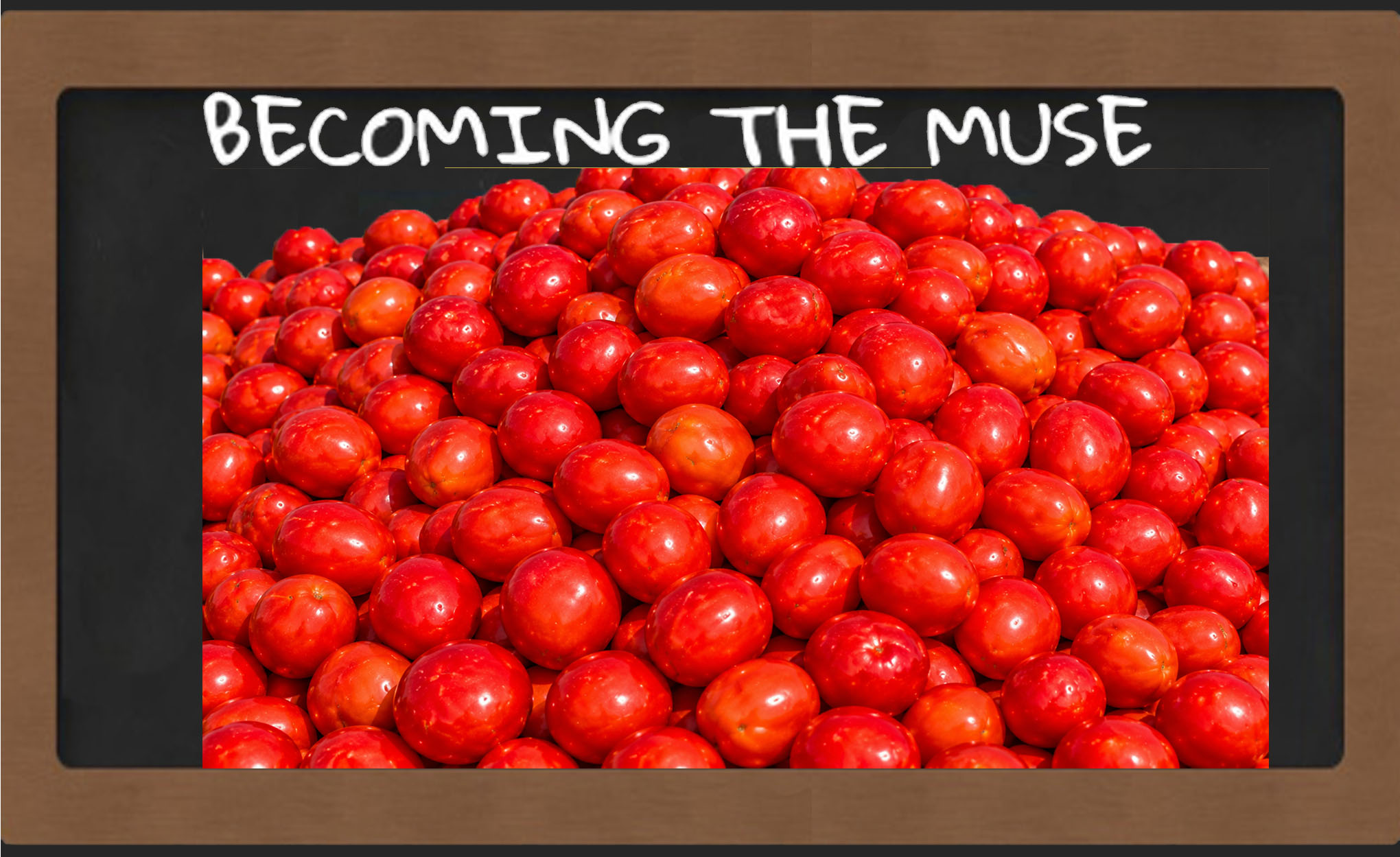
Tomatoes are practically being given away. Depending on where you shop and the size and quality, a dollar can get you anything from 30 to 50 tomatoes. A crate that once commanded $50 is going for somewhere between $5 and $10.

When supply outstrips demand, prices fall. And tomatoes, unlike gold, cannot simply be locked away in a vault until the market improves. They have a rather inconvenient habit of going bad.
Some farmers may barely break even, others will make losses, and some might decide that agricultural entrepreneurship was an interesting experiment they would rather not repeat and perhaps try mining instead, as some seem to striking gold there…
Tobacco growers played the same game this year, expanding after good previous seasons and while they produced a record crop, they earned considerably less per kilogramme from approximately US$3.32 to US$2.49 per kilogramme. At least tobacco can be cured, stored and marketed over a longer period.

Meanwhile, it’s a tomato party up in here; we have more tomatoes than we know what to do with.. I am thinking we should try making a tomato beverage that you can use as soup, sauce or simply drink with or without a tot of liquor.

People are talking about preserving tomatoes, from simply freezing them, making tomato paste and or canning them, introducing value addition and cold chains infrastructure.
While we enjoy this tomato glut while it lasts it wont take a rocket scientist to predict that when winter comes around the seasonal scarcity hits again; tomatoes will be back to a dollar for a few.
I am tempted to buy a whole crate of tomatoes… but what do I do with them?


Leave a Reply