
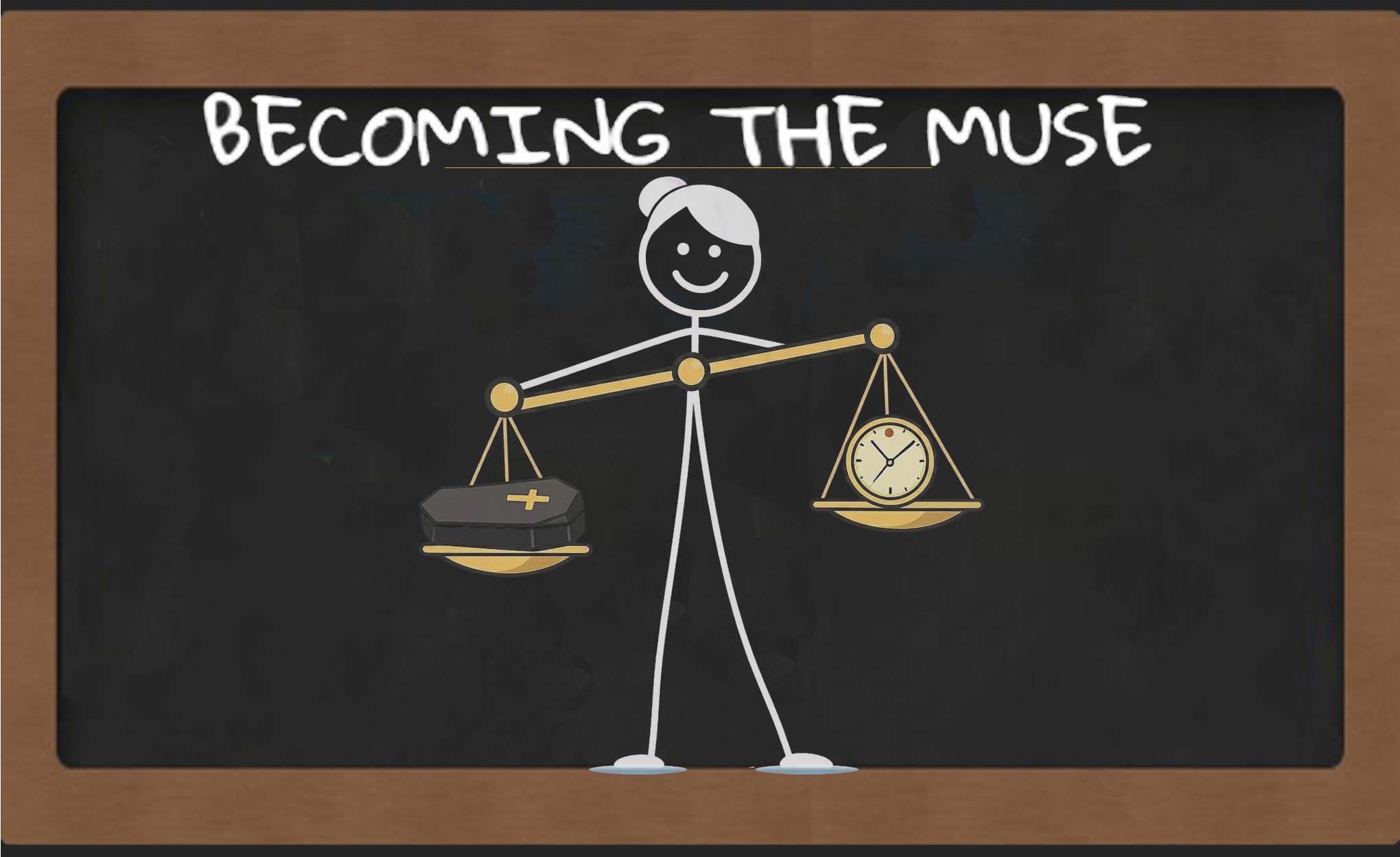
Invested in Endings
Death is a scary thing, the ultimate destination after birth. Despite its inevitability, it’s always surprising, untimely and devastating. It’s said that it’s what gives life meaning
We have a fixation with death that’s… let me call it concerning… When someone passes away, family and friends gather to support each other, grieve together, offer condolences and comfort and lastly to say goodbye. Its a beautiful and touching way to celebrate life and pay respects.
You can also tell a lot about how someone was by the turn-out at their funeral and the things that people say but then in our culture we do not speak ill of the dead, so you will usually hear mostly the good, and those who air out grievances or rejoice that the witch is dead are reminded to “respect the moment,” as though truth itself must also be laid to rest.

Communities rally impressively in the face of death. People contribute money, food, time, whatever they can, to ensure a dignified send-off. It is solidarity at its finest.
And yet, there is an uncomfortable irony. We seem to put considerably more effort into death than we ever do while people are alive.
Sometimes the only flowers someone will ever receive are funeral wreaths and casket sprays. It is not uncommon to find that the money raised for a funeral far exceeds what was ever contributed when the same person needed life-saving treatment, business capital, or even basic support.
There is also an unspoken expectation, almost like a social contract or debt. An obligation to contribute, to attend, to be seen. Perhaps it is guilt. Perhaps it is love. Perhaps it is the weight of everything left unsaid and unfinished, and the support you never fully gave and now you get a chance to let them down one last time… as the coffin is lowered and settle the account.
And so we pay. We show up. We perform grief in ways that are both sincere and, at times, socially enforced. Each funeral a reminder that your turn will come…
Now here is where it gets interesting and a little uncomfortable.
People will pay for a funeral policy but not have medical aid, insurance or a life policy, no savings or investments. Our plans are only as far as to ensure a respectable exit, simply ending at death…
Small surprise that very few families accumulate generational wealth and that family businesses tend to collapse when the pillar of strength falls. We plan beautifully for the ceremony of death but very little for the continuation of life.

Our traditional practises flawed as they were, demonstrated a better awareness of succession and continuity than our present-day version where life is commodified and death is a subscription we all pay into willingly or not.
Perhaps the most radical action is to unsubscribe from death as the only plan, and invest in life instead…
WinterABC26


Leave a Reply