
Forgotten Ascendants: What The Last Person Remembers
I once attended a Black History Month symposium where the opening words of one of the panellists landed like a diagnosis: the country, and by extension the continent, was not doing well because its people were sick; they had forgotten themselves and lost the anchor to their roots.

We are spiritual beings.
Multiple things can hold true and different paths can lead us to what grounds us
In many African cultures, the dead are never really gone. They reside in the hearts and minds of those who remember them. This was one of the most important functions of oral tradition, it passed down knowledge and identity from generation to generation, in tales and proverbs, in praise poetry that reminded us of our lineage and our names.
A child named after someone isn’t simply commemorating them. It is the past folding itself back into the present, made to walk around in new flesh.
Our ancestors are believed to carry influence in present affairs, consulted and invoked at the start of any serious undertaking, thanked for harvests, blamed for misfortune. A culture that treats the ancestors as still-interested parties has every reason to keep narrating, keep returning to the past, because the past is where moral authority and explanatory power live.
What happens when a people are told their ancestors are burning in hell, when any act of commemoration is framed as cavorting with evil spirits, when they are constantly reminded that the dead are dead and should be left in the past, the chain of remembrance is severed, it might not be all at once but one generation at a time, until its all erased.

This is what the panellist meant when he spoke of sickness.
Our identity was built backwards through reference rather than forwards through invention. We are who we are because of those who came before. And yet the further back that knowledge is erased, the more untethered we become.
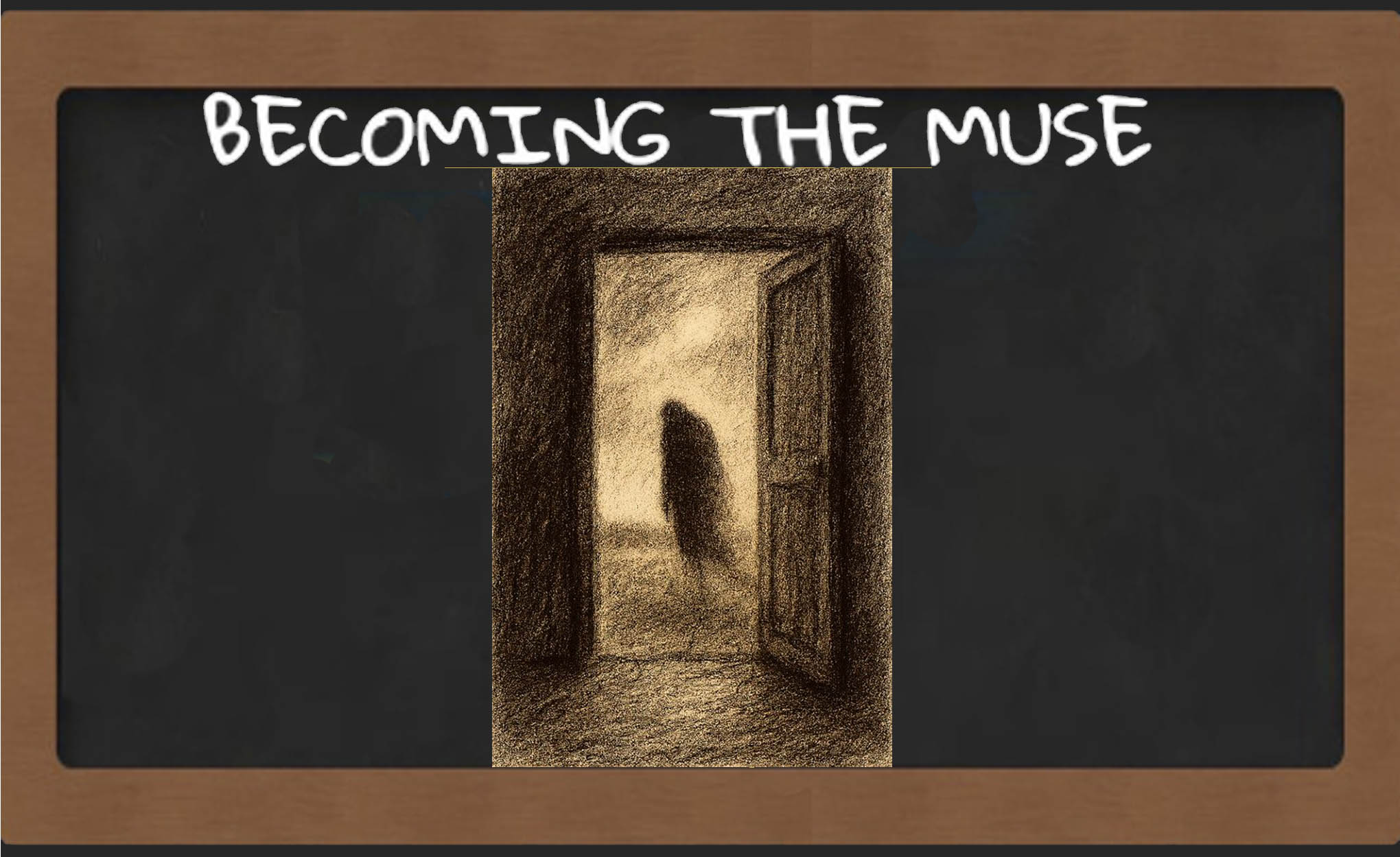
When the last person who remembers is gone, something more final than physical death occurs. The ancestors cross into the forgotten dead, dissolved from a named presence into the anonymous past, beyond blessing or blame or even the simple act of being spoken to.

And perhaps, in a cruel irony, some of these forgotten spirits, unattended and unnamed, are believed to become the very rogue spirits that plague the living with misfortune. The “evil spirits” we were taught to fear may simply be our own ancestors, neglected past the point of recognition, still present but no longer known by name.
It has been almost five years since that symposium. And in many ways, his words felt like a foreshadowing that identity cannot be buried without consequence.
There is a stirring, call it a Renaissance, a quiet return of people searching, remembering, reclaiming. A collective attempt to find our way back to our roots… and to ourselves, before the last person who remembers is gone.
WinterABC26 – Faith and culture
Leave a Reply