Coffee with masungiro
If you were having coffee with me, I would welcome you to my tangle of words and ask if you have ever eaten something that you killed… How averse are you to the idea of livestock being killed for our sustenance, are you ok with it, or its an as long as you aren’t personally involved and or witness to the slaughter?
I spent six years of my life at a mission boarding school where among the other life skills we were imparted with included looking after and killing the chickens we enjoyed for the Thursday and Sunday lunch. Over two decades later and I am still the resident family butcher who isn’t squirmish about converting livestock to its final meat.. 😂

If you were having coffee with me, I would tell you about Masungiro or Kusingira, a Shona culture where during the third trimester of a woman’s first pregnancy, she will return to live with her parents in preparation for labour and also to learn about child-care and other things mothers-to-be can only learn from their own mothers and female relatives. This is accompanied by the masungiro ceremony, where the highlight event is that the son-in-law and his entourage provide goats to be slaughtered and prepared for dinner for everyone present.

Masungiro or kusungira is a tradition which is said to smoothen the complications which can arise from child birth, especially the first pregnancy, some believe it wards off negative energies and also implores ancestors to watch over the continuation of their lineage. The ceremony is also a way to get the family, particularly the mother’s blessing and approval in her daughter’s pregnancy, as some may have simply eloped or cohabiting without a recognised union.
During the ceremony, the son-in-law and his people, will present groceries, fabric to make a dress for the mother and a goat, which is then prepared for a grand dinner where everyone partakes of the delicacy of goat intestines and liver. A fabric belt or wrapper is placed on the door threshold and the mother and daughter cross in opposite directions, the mother going outside as the daughter goes inside and then they switch directions, afterwards the mother ties the wrapper or belt around her waist symbolising their acceptance of the daughter’s condition.

Different families and cultures have slightly different variations of how the ceremony is performed, but a goat is usually involved and the other requirements can be optional to different families, tribes and cultures. Some may request for two live goats, one for the mother and one for the father, others can request for one goat for the father, which is the one that is slaughtered, and the mother’s goat can be a monetary token.
If you are having coffee with me, I would tell you that while the ceremony is no longer followed in its strictest sense with society having adopted Christianity, masungiro is done as a symbolic gathering which allows for the son-in-law to eat together and be welcomed into the wife’s family. Some families will have the son-in-law share a meal from the same plate as his father-in-law again symbolising their being accepted into the family.
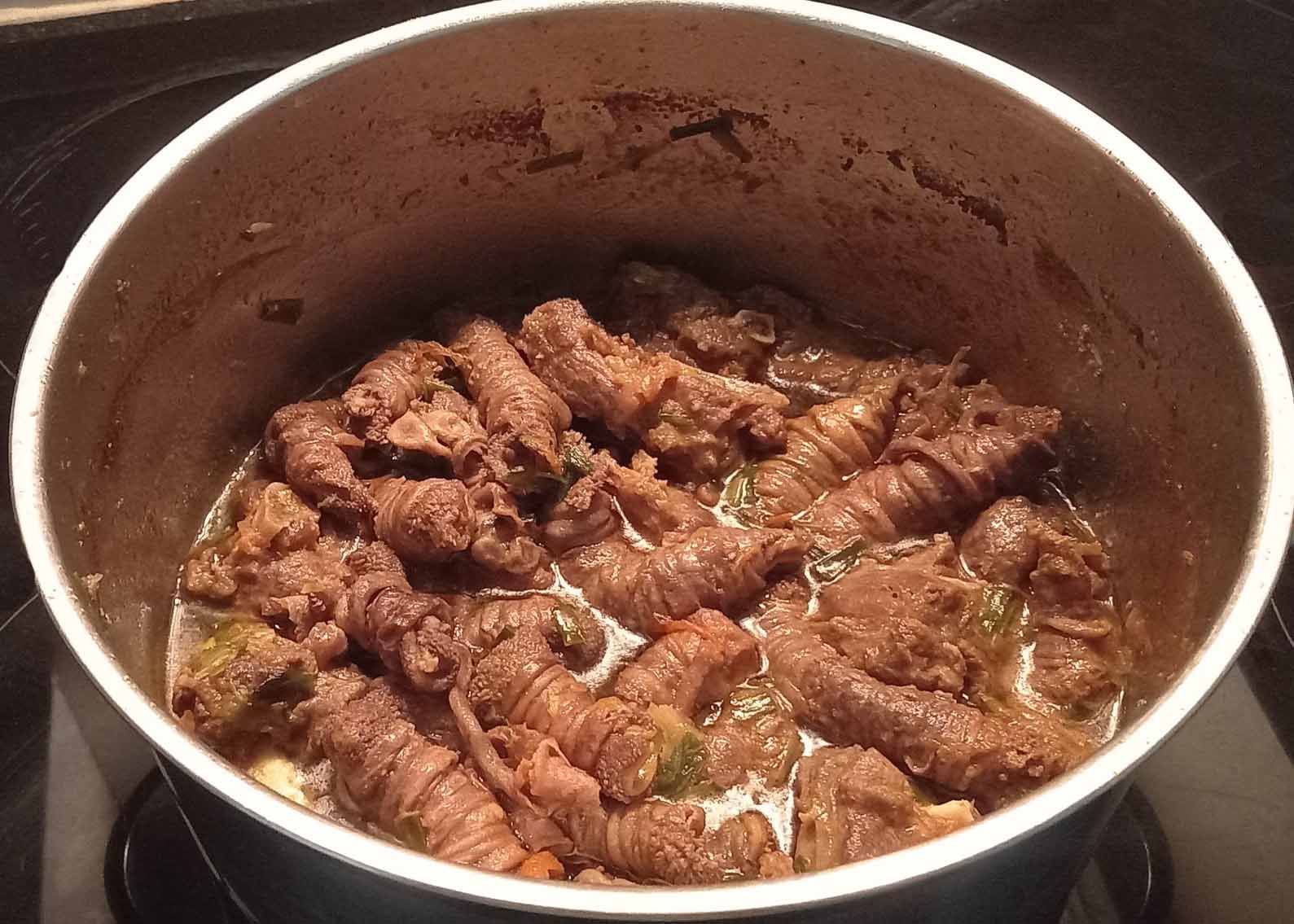
If you were having coffee with me, I would tell you I had so far only ever experienced the masungiro ceremony from the perspective of our family meeting the sons-in-law, until recently. My brother is expecting his first child and I accompanied him to his wife family for their masungiro ceremony. That meant the responsibility to slaughter and skin the goat fell entirely on us..
As a mkwasha/son-in-law it reflects very badly on you if you are unable to carry out the task. Some can opt to hire extra hands or skilled people to aide them with the slaughter. We did not have the financial muscle to recruit others so we had to do it the hard way, by ourselves… who knew, all that chicken slaughtering could be honed into an important skill.

It took longer than a professional would take but we did a respectable job of it and even the in-laws were impressed that we were not city-bred types without critical life skills. A barbed compliment, hinting at how most youth who grow up in the city have lost touch with their tradition, culture and way things are really done.
If you are having coffee with me, I would ask if you’ve encountered any traditions surrounding pregnancy, child birth and new born babies?
Whats been covfefe in your neck of the woods?

~B
Buy me coffee
support my tangle of words ☕ ☕
$2.00


 Becoming The Muse
Leave a reply to Bookstooge Cancel reply