
Watches That Cost More Than Countries
I have always known that time is precious, that its limited amount is precisely what gives life meaning. Watches, beyond giving us the illusion of taming time, had never given me much pause, except perhaps to side-eye the new-age smart watches that want to read your emails and measure your heart rate.
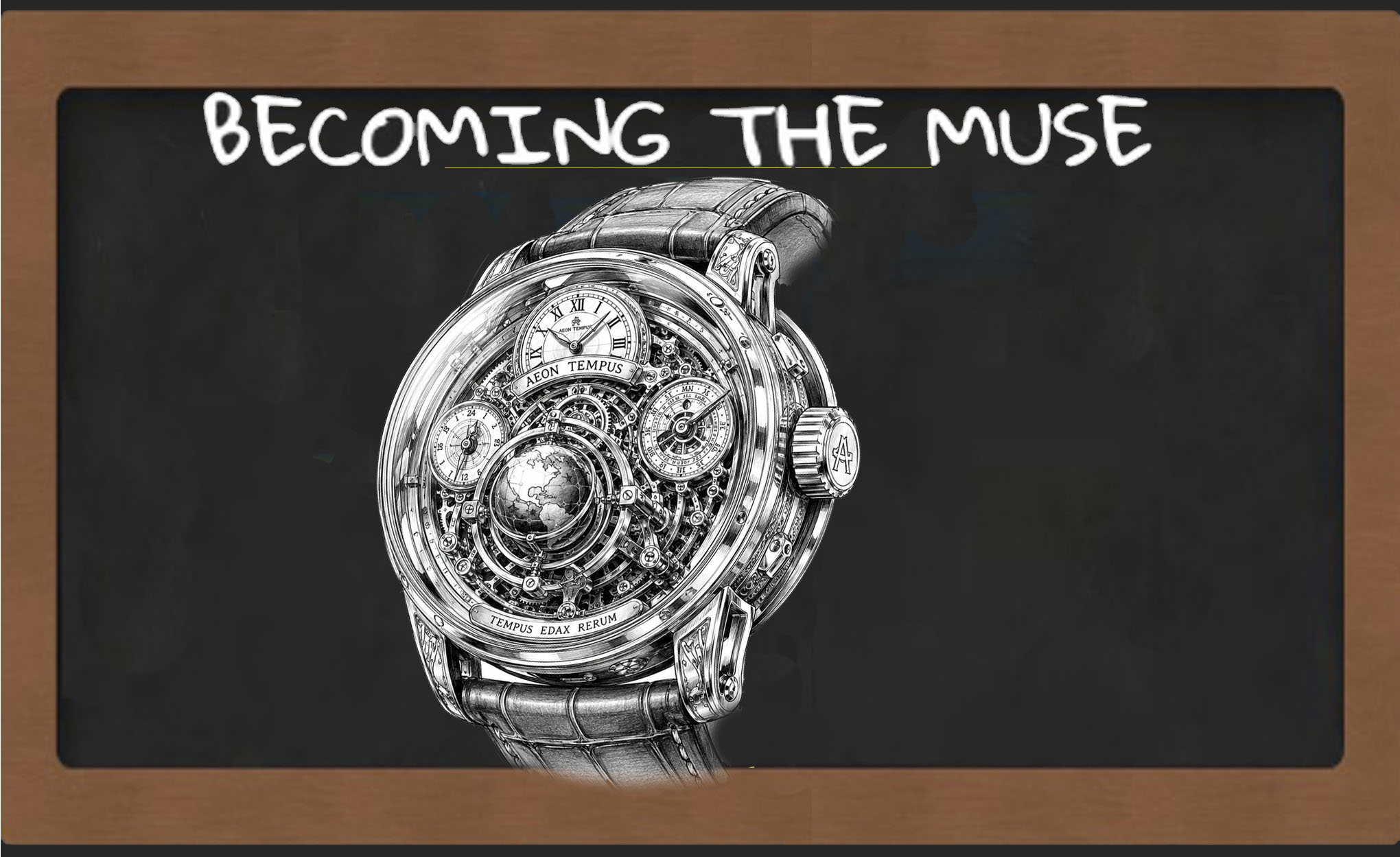
Then I stumbled into the world of ultra-expensive watches, timepieces that cost more than someone could earn across several lifetimes.

In these uber-exclusive haute horology circles, a watch stops being a tool that simply measures time and becomes a choreography of status, wealth and power.
Who, exactly, buys a watch priced at a significant portion of a small country’s annual budget and why?
Why? Because they can.
They want to make a statement without saying anything, tell me you’re a billionaire without telling me you’re a billionaire. Apparently, nothing says “I have arrived” quite like a watch encrusted with flawless diamonds and flying tourbillons.

But if your mind works anything like mine, the idea that someone with that much disposable wealth, would need such an extravagant status symbol, simply to stroke their multi-million-dollar ego feels like madness, and not the kind of madness that builds this level of opulence.
So, what are we missing?
Looking beyond the price tag and the spectacular craftsmanship reveals there’s more to it than vanity. It’s strategic, calculated financial manoeuvring.
Here is the first thing to understand: above a certain price point, a watch is no longer just a timepiece, it’s what bankers call a “portable store of value.” Ultra-high-end watches act as a hedge against inflation and currency devaluation. They represent concentrated wealth that can be transported across borders with relative ease.

Theoretically, one could walk through an airport with millions of dollars strapped to their wrist, or sitting innocently in a coat pocket. In practice, authorities do watch for this kind of thing, but there are borders that remain porous enough that someone determined could pass through with minimal scrutiny.
There’s a particular kind of wealth that doesn’t trust banks, or wants to avoid a paper trail leading straight back to their name. For that kind, an eight-figure watch functions as a ticking nest egg, something that can be kept as an heirloom and quietly liquidated when its owner needs to move house, move country, or move on from a marriage.
Imagine your watch suddenly becoming an ATM card. Unlike other wealth-storage vehicles, it needs no bank statements, no registry deeds, no stock certificates, no complicated approval protocols and, unlike currency, tangible luxury assets tend to hold, even appreciate, in value.
How handy is that in a volatile economy or an unstable political climate, where you could wake up to a devalued currency or a frozen bank account?
And this is where things get really interesting. Enter the world of freeports; secure, tax-free storage facilities located in global hubs like Geneva, Luxembourg and Singapore. Technically, goods stored in a freeport are considered to be in transit, and are therefore exempt from import duty, with a zero-tax holding status that covers gold, diamonds, paintings and watches alike.

Items can change ownership inside a freeport without triggering a taxable transaction, and without ever being physically moved; simply waiting, secure, untouched and untaxed, for decades.
Then there are private auctions and discreet sales run through elite networks where not everything is advertised and not everyone is invited. These facilitate quiet transactions in which sellers don’t explain why they’re selling, and buyers don’t explain how they came by their lump sum of cash. The watch itself is simply the token that authenticates the movement of money.
The picture becomes clearer now: a watch can be shipped, sold, or gifted across a border with none of the scrutiny that traditional banking channels would impose. And just like that, millions of dollars exchange hands, countries and borders in almost untraceable transactions.

While all of this can be entirely legitimate, the opacity of the high-end watch market also attracts less savoury characters, people looking to obscure the origin of their funds, or to move illicit money outright. Buy with dirty money, resell to “clean” money laundering, complete.
And here is where all the magic happens. The sleight of hand lies in the vault hidden in plain sight, dressed up as vanity. Throw in celebrity endorsements and the world’s fascination with the filthy rich, and no one really pays attention. We see it, we don’t question it. We shrug and say, “Ah, rich people things. Not for us.” And we move on.
Perhaps the real luxury is in owning the timepiece and the world along with it.


Leave a Reply