
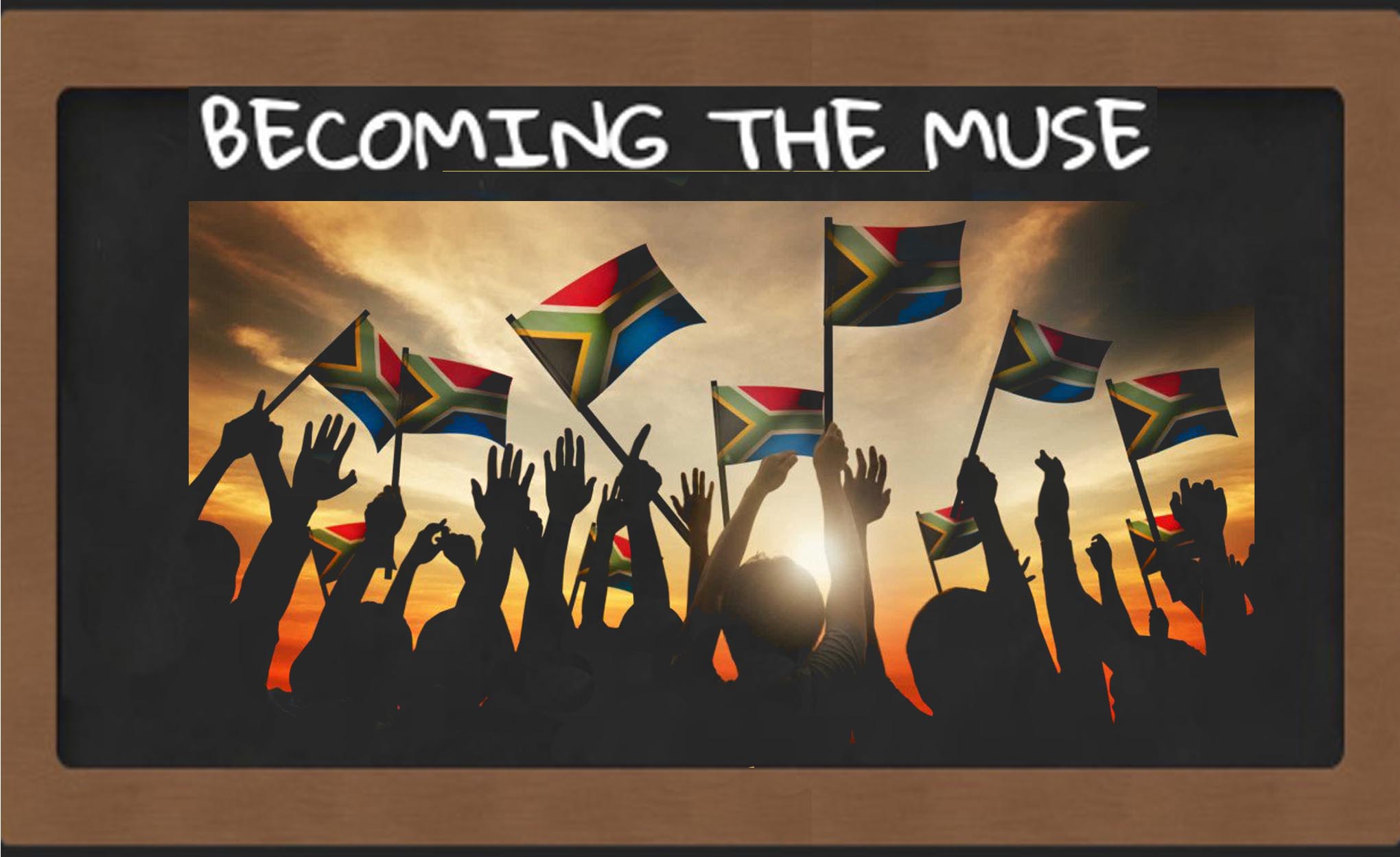
For many, it started it started as an ordinary day…
No one could have imagined that this day would rock Soweto, South Africa, even the world and over 40 years later people would still remember, the day when the end of apartheid begun.

Under the Bantu Education Act government schools in South Africa were prohibited from using local languages and students could only learn specific subjects taught in Afrikaans and English. In January of 1976, an official order was made making Afrikaans the compulsory medium of instruction in schools. As Afrikaans was regarded as “the language of the oppressor” this led to uproar and boycotting of classes which eventually resulted in students planning a peaceful mass protest on the morning of Wednesday the 16th of June 1976.

As had been planned 3 days before, by 19 year old Tebogo ‘Tsietsi’ Mashinini then president of the Soweto Students Representative Council (SSRC) along with 500 other students, when they met at the Orlando Donaldson Community Hall; to discuss ways and means of confronting and challenging the Department of Bantu Education. The plan had been to march to Orlando stadium and have a protest rally to plea with the government to remove Afrikaans as compulsory in schools.

There was singing and chanting as the students marched across the streets of Soweto, from Naledi High School, in the southwestern end of the township to Morris Isaacson High School in Jabavu.

Nkosi Sikelel’ iAfrika, which means ‘God Bless Africa’ a song which had banned by the apartheid regime was the anthem for freedom.

Tear gas and rubber bullets were fired at the protestors in an attempt to disperse the students, but they were too determined to be silenced, not until they had been heard. The march continued down a few more streets, students pelting police with stones and bottles.
Then gun shots and terror as the police opened fire with live ammunition…

Hastings Ndlovu, Hector Pieterson and close to 200 students, died that day in Soweto, South Africa and several hundred more across the whole country as the wave of Uprising which started in Soweto, spread throughout the country; becoming not just revolt against unfair education policy but the whole apartheid government. The actual death toll remains unknown/undisclosed.
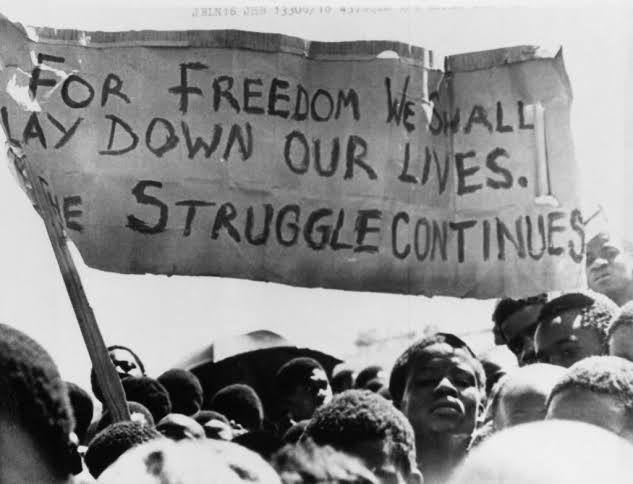
Freedom would not come come until almost two decades later, when apartheid finally ended in 1994.

Today, you can revisit the route of the June 16th march which was declared a heritage trail. It starts outside Morris Isaacson High School and continues to the Hector Pieterson Memorial and Museum in Orlando West.

June 16 is a public holiday in South Africa, Youth Day, in remembrance of the students who lost their lives that day in defiance of the apartheid government and their Bantu Education. The actions of these students sparked an increase in the intensity in the fight for liberation and the end of apartheid in South Africa.

There’s a statue of Tsietsi Mashinini. Hoisting his right fist upwards, in the universal gesture signalling the mobilisation of people to reclaim power and influence, and embrace their liberation

“The day shall come when all shall be free to breathe the air of freedom which is theirs to breathe and when the day shall have come, no man, no matter how many tanks he has, will reverse the course of events.”


Leave a Reply to Winnie MalingaCancel reply